Why Early Language Immersion Works: The Genius in Every Baby
Research shows that early childhood is the best time for language learning. Young children’s brains are especially open to hearing, repeating, and understanding new sounds, making it easier for them to become fluent later in life. Learning more than one language builds strong brain connections, improves memory, and boosts problem-solving skills. It also helps children develop empathy and confidence as they connect with people from different cultures. At our Spanish immersion daycare, we nurture this natural ability by surrounding children with rich, meaningful language every day.
Why Early Second-Language Learning (and Cultural Exposure) Matters in Preschool
Preschool-age children are in a uniquely powerful season for language development. Their brains are rapidly building the “sound map” that helps them hear, imitate, and produce new speech patterns—one reason early, consistent exposure can make pronunciation and listening feel more natural over time. Starting young also simply means children get more total years of meaningful practice, which increases the odds of real proficiency later. ACTFL
Benefits of learning a second language in the preschool years
Stronger communication and early academic foundations.
Learning two languages doesn’t “confuse” children—research-based guidance for parents emphasizes that multilingualism can support overall communication and is associated with benefits in literacy development (and other academic skills). HealthyChildren.org
Cognitive skills that support learning in any subject.
Bilingual and multilingual experience can exercise skills like attention control and flexible thinking because children learn to choose the language that fits the moment and shift between systems. The research literature is nuanced (effects can vary by context and how bilingualism is measured), but major reviews and professional discussions describe meaningful links between bilingual experience and aspects of executive function and attention. Frontiers in Psychology
Long-term advantages of sustained early study.
Professional language-education research summaries note that beginning earlier—and continuing longer with high-quality instruction and interaction—is more likely to lead to higher proficiency. In other words: preschool exposure is valuable, but the biggest payoff comes when it’s part of a long runway of language use and learning. ACTFL
Connection to family, identity, and belonging.
For many children, bilingualism strengthens ties to extended family, community, and culture—benefits that matter to parents because they support identity development and relationships, not just “school skills.” HealthyChildren.org
Benefits of cultural exposure in the preschool years
Empathy, respect, and perspective-taking.
When children regularly experience stories, traditions, music, foods, and celebrations from multiple cultures, they practice seeing that “different” is normal and valuable. Early childhood leaders emphasize that building belonging and reducing bias starts early—and that classrooms should intentionally support equity, inclusion, and respect for every child and family. NAEYC
A stronger sense of self and others.
Cultural learning isn’t only about learning others’ traditions; it also helps children name and appreciate their own background, values, and family routines. That supports healthy identity formation and social-emotional growth—key outcomes most parents want from a high-quality preschool experience. NAEYC
Preparing children to thrive in a diverse world.
Modern early-childhood standards increasingly frame cultural competence and inclusive practice as part of “high-quality” education. Exposure to multiple languages and cultures in the early years helps children build comfort, curiosity, and collaboration skills they’ll use in school—and later in work and community life. NAEYC
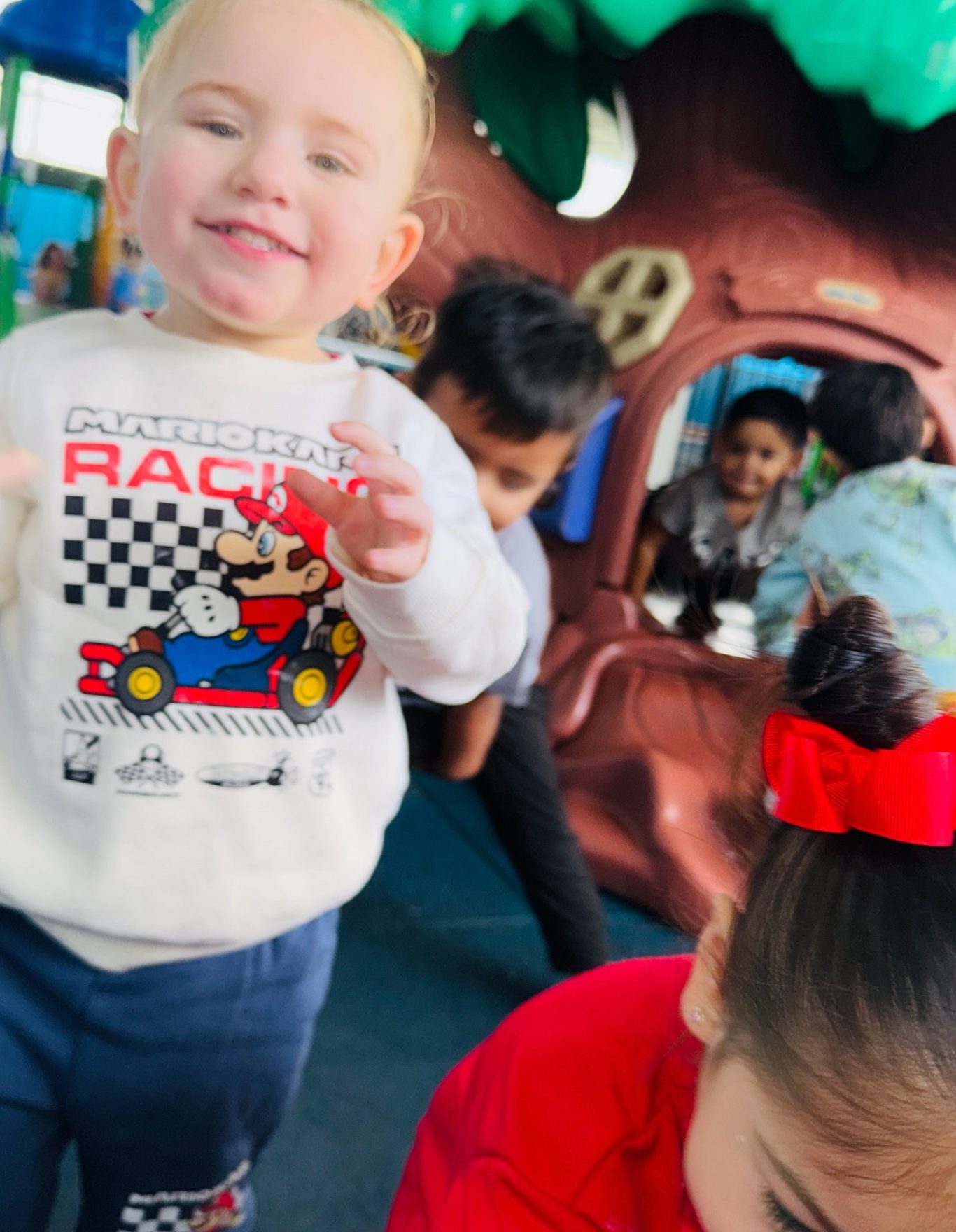
See it in action!
Schedule a tour with us to see how CEI Preschool's Spanish Immersion curriculum can help your child learn and grow!